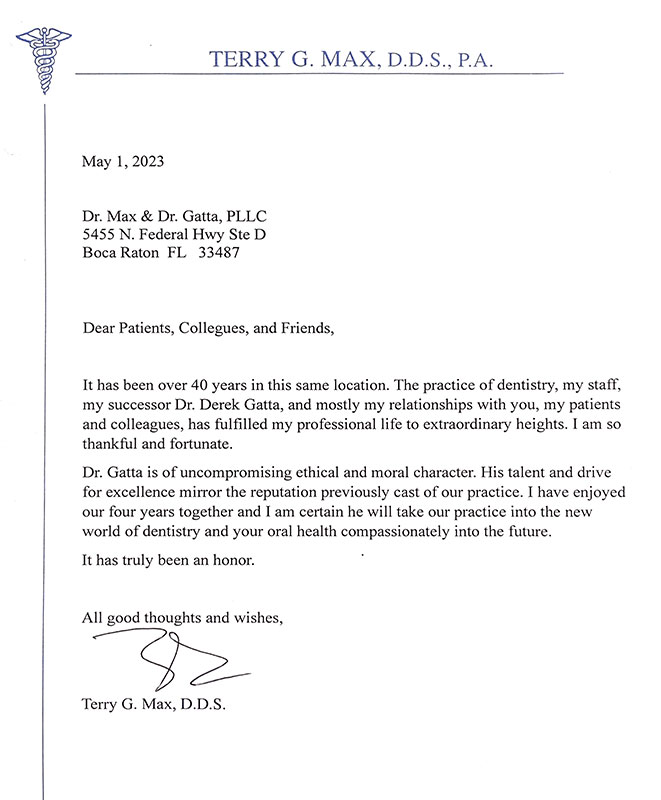
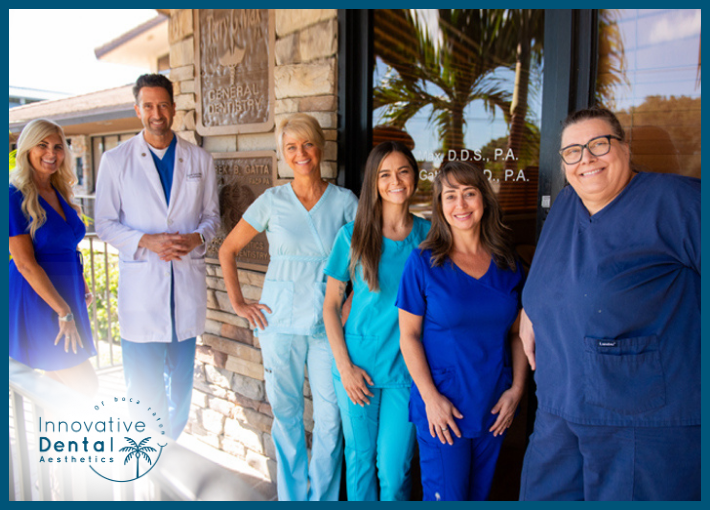
Welcome to the Innovative Dental Aesthetics blog, where we delve into the world of dental care with a focus on restorative and prosthetic dentistry. At Innovative Dental Aesthetics, Dr. Gatta and his team are dedicated to not only addressing your immediate dental needs but also ensuring the long-term structural health of your smile.
Raise your hand if you’ve ever cringed at the word “cavity”! Join us as we take proactive steps toward effective cavity detection, while also reminding you that we are always here to shed light on how a prosthodontist (a specialist in restoring and replacing teeth) can cater to your broader structural dental concerns. Here are some easy-to-understand tips for sniffing out potential cavities before they cause major, costly problems.
Tooth decay is caused by bacteria in the mouth that creates acids, which slowly eat away at tooth enamel (the hard outer layer of your teeth). This process leads to a cavity, which is essentially a permanent hole in the tooth surface. A cavity doesn’t always show symptoms at first. However, as it grows into the deeper layers of your tooth, you will definitely start to feel it.
Common cavity symptoms include persistent tooth pain, temperature sensitivity, and visible changes in the tooth structure, like tiny holes or dark pits.
This article explains how cavities look and feel, what happens if they go untreated, and the cutting-edge ways modern dentists diagnose them accurately.
Visible Small Cavity Signs
You may not notice a cavity right away because the earliest structural changes are visually tiny. It is entirely possible to have an early-stage cavity and feel absolutely zero discomfort.
However, even though small cavities leave visible clues, most people don’t inspect their own teeth routinely. This is especially true for the hard-to-see areas in the back of your mouth.
Your back teeth (molars and premolars) are where cavities love to hide. They most commonly pop up on the grooved chewing surfaces and in the tight spaces between teeth. Both of these areas are nearly impossible to examine yourself in a bathroom mirror.
Early warning signs of a cavity include:
-
Chalky white spots on the teeth (a sign of mineral loss)
-
Spots that turn darker shades of gray, brown, or black
-
Continually getting food trapped or stuck in the exact same spot between your teeth
Invisible Cavities & Deep Decay
An invisible cavity (clinically known as interproximal caries) is a hidden cavity that forms between two teeth. Because the outer enamel wall looks perfectly healthy, you cannot see it with the naked eye.
Traditionally, standard bitewing dental X-rays were the only way to catch early cavities between teeth. Today, advanced practices use digital x-rays alongside AI-assisted dental software. This technology analyzes digital images instantly to flag microscopic density changes that the human eye might overlook. Catching hidden decay early prevents the need for invasive dental crowns or root canals later.
How Cavity Symptoms Feel (or Don’t Feel)
Understanding what a cavity feels like can help you book an appointment before the damage spreads to the tooth’s nerve.
Common cavity symptoms include:
Tooth pain that can feel like a sharp, sudden flash or a dull, continuous ache
Localized tooth pain or throbbing that triggers specifically when you bite down
Lingering tooth sensitivity to hot coffee, ice water, or sugary treats
Feeling a rough edge, pit, or actual hole with your tongue
Did You Know? Dental researchers classify dental caries (tooth decay) as one of the most prevalent chronic health conditions globally, affecting both children and adults throughout their lives.
Untreated, Worsening Cavity Symptoms
Before a cavity permanently damages your tooth structure, there are proactive steps you can take to reverse early demineralization (mineral loss). To reduce your dental decay risk:
-
Drink optimized fluoride water and brush with an enamel-strengthening fluoride or hydroxyapatite toothpaste.
-
Minimize processed sugars, starchy snacks, and acidic sodas.
-
Limit fruit juice intake, as natural sugars still feed decay-causing bacteria.
-
Brush your teeth thoroughly twice a day and clean between teeth daily using floss or an interdental cleaner.
-
Ask your dentist about applying protective dental sealants to the chewing surfaces of molars.
Once a cavity breaks completely through the outer enamel layer, it cannot heal itself. It will continue to get worse if left untreated. If the decay spreads past the enamel into the dentin (the softer middle layer) and reaches the pulp (the living nerve at the center), it can cause a severe, painful infection known as an abscessed tooth.
An abscess forms when the nerve tissue dies and bacteria create a pocket of pus around the root tip. If ignored, this infection can spread into the jawbone, face, and bloodstream, turning into a serious medical emergency.
Symptoms of a dangerous tooth abscess include:
-
Severe, throbbing pain that radiates to the jaw, neck, or ear
-
Visible swelling in your gums, cheek, or face
-
Redness, tenderness, or a pimple-like bump on the gums
-
A foul taste in your mouth or sudden bad breath
-
An unexplained fever or swollen lymph nodes
Will a Cavity Heal on Its Own?
In the absolute earliest phase, when decay appears only as a faint white spot on the surface, the enamel can actually repair itself. It does this by absorbing minerals from your saliva and topical fluoride (enamel remineralization). However, once the decay breaks the surface barrier and creates a physical hole, the structure is permanently destroyed. At this stage, it requires professional restorative care like a dental filling.
Seeing a Dentist: Advanced Cavity Diagnostics
Because cavities hide in deep grooves and between teeth, a simple visual look is no longer the gold standard for comprehensive diagnosis. To protect your smile, modern dental offices use a multi-layered approach to check for decay:
-
Visual & Tactile Assessment: Dentists use specialized tools to check for soft spots. Many practices utilize the International Caries Detection and Assessment System (ICDAS)—a standardized scoring system from 0 to 6 that tracks surface changes and depth.
-
AI-Powered Digital Radiography: Low-radiation digital X-rays allow dentists to see through the dense outer layers of your teeth. Today’s dental AI tools analyze these images in real-time, helping doctors track even the smallest drops in tooth density.
-
Non-Invasive Diagnostic Scanners: Modern practices often use digital tools like Near-Infrared Transillumination (NIRI) or laser fluorescence scanners. These tools pass safe light through the tooth structure. Healthy enamel looks transparent, while hidden decay glows or darkens, mapping out the cavity without any radiation exposure.
Restoring Your Smile: The Prosthodontic Advantage
When a cavity is caught early, a simple, tooth-colored composite filling is often all it takes to restore the tooth. But if a cavity is left untreated for too long, it destroys a large portion of the natural tooth structure, making a standard filling unsafe or prone to cracking.
This is where a prosthodontist like Dr. Gatta makes a massive difference. If a tooth has suffered extensive structural breakdown from deep decay, standard general dentistry might not be enough to ensure long-term durability. A prosthodontist specializes in advanced tooth restoration and replacement. Using high-strength, biocompatible materials, Dr. Gatta can custom-craft dental inlays, onlays, or full-coverage porcelain crowns. This preserves your natural tooth root, reinforces your bite, and seamlessly blends with your natural smile.
Managing Dental Care With and Without Insurance
If you have dental insurance, routine preventative visits (like cleanings and checkups) are usually covered fully, and restorative care like fillings are typically covered at 50% to 80%. If you do not currently have private dental insurance, delaying care will only lead to more expensive treatments down the road.
If cost is a primary concern, consider looking into these low-cost community options:
-
Local community health centers that offer sliding-scale fees based on income
-
Medicaid or state-specific programs (like CHIP for children’s dental care)
-
Dental schools or dental hygiene clinics, where supervised students provide treatments at reduced rates
Don’t wait for severe dental pain to strike! Make your long-term oral health a priority and enjoy a confident, fully functional smile for life.
Schedule an appointment with us today at (561) 997-6622. Dr. Gatta and his specialist team at Innovative Dental Aesthetics will take excellent care of you, whether you need a routine cavity screening or a comprehensive, full-mouth structural restoration. You can also follow us on our Instagram for daily smile care tips!