What Causes Dental Wear?
Cosmetic Dentistry Service in Boca Raton
Understanding the Hidden Reasons Behind Worn Teeth
Dental wear often develops gradually, causing teeth to become shorter, flatter, or more sensitive over time. Left untreated, it can lead to bite problems, discomfort, and lasting damage. Identifying the underlying cause is the first step toward protecting and restoring your smile.
If you’re searching for a dentist who treats worn teeth, bruxism, or bite problems in Boca Raton, Dr. Derek Gatta provides comprehensive evaluations to uncover the root cause—not just the symptoms. As a prosthodontic specialist, he creates personalized treatment plans to restore function, protect your natural teeth, and help you achieve a healthy, lasting smile.
Common Causes of Dental Wear

Bruxism (Teeth Grinding and Clenching)
often occurs unconsciously during sleep or periods of stress, applying repetitive pressure that gradually flattens and chips tooth surfaces. Many patients aren’t aware they grind their teeth until a dentist identifies the wear pattern.
Bruxism (Teeth Grinding and Clenching)
often occurs unconsciously during sleep or periods of stress, applying repetitive pressure that gradually flattens and chips tooth surfaces. Many patients aren’t aware they grind their teeth until a dentist identifies the wear pattern.
Bruxism (Teeth Grinding and Clenching)
often occurs unconsciously during sleep or periods of stress, applying repetitive pressure that gradually flattens and chips tooth surfaces. Many patients aren’t aware they grind their teeth until a dentist identifies the wear pattern.
Bruxism (Teeth Grinding and Clenching)
often occurs unconsciously during sleep or periods of stress, applying repetitive pressure that gradually flattens and chips tooth surfaces. Many patients aren’t aware they grind their teeth until a dentist identifies the wear pattern.
Bruxism (Teeth Grinding and Clenching)
often occurs unconsciously during sleep or periods of stress, applying repetitive pressure that gradually flattens and chips tooth surfaces. Many patients aren’t aware they grind their teeth until a dentist identifies the wear pattern.
Bruxism (Teeth Grinding and Clenching)
often occurs unconsciously during sleep or periods of stress, applying repetitive pressure that gradually flattens and chips tooth surfaces. Many patients aren’t aware they grind their teeth until a dentist identifies the wear pattern.
Signs of Dental Wear to Watch For
Teeth appear shorter, flatter, or more translucent at the edges Increased tooth sensitivity to hot, cold, or sweet foods Visible chips or cracks >A change in how your teeth fit together when biting down Jaw soreness or headaches, upon waking
How to Prevent Further Dental Wear
 Widespread tooth wear, chipping, or flattening
- Multiple missing or failing teeth
- Chronic jaw pain, headaches, or jaw clicking
- A “collapsed” or shortened bite (teeth look smaller, face looks sunken)
- Frequent need for repairs on old crowns, fillings, or bridges
- Gum recession or bone loss affecting multiple teeth
- Self-consciousness about smiling due to wear, discoloration, or gaps
 Widespread tooth wear, chipping, or flattening
Longevity and Functionality
Dental implants are designed to integrate with the jawbone (a process called osseointegration), creating a foundation that functions much like a natural tooth root. This allows for stronger bite force and long-term durability. Dentures, while effective for restoring appearance and basic function, rest on the gum tissue and jawbone, which continues to change shape over time — often requiring relines, adjustments, or eventual replacement.
Cost Considerations
Dentures generally cost less upfront, making them an accessible option for patients replacing multiple or all teeth. Dental implants require a greater initial investment but often prove more cost-effective over a lifetime, since they typically don’t need the recurring relines, adjustments, or replacements that dentures do. Implant-supported dentures (a hybrid option using a small number of implants to anchor a denture) can offer a middle-ground solution in both cost and stability.
Signs of Dental Wear to Watch For
-
- Bonding for minor chips or wear
- Veneers to restore shape, length, and aesthetics for moderate wear
- Crowns for teeth with more significant structural loss
- Bite correction or orthodontics if malocclusion is a contributing factor
- Full mouth rehabilitation for widespread, severe wear affecting most or all teeth
Frequently Asked Questions
Treatment timelines vary widely depending on the complexity of the case — from a few months for limited restorative work to a year or more for cases involving extensive implant placement and bone grafting.
Full mouth rehabilitation is performed with your comfort in mind. Your dentist will use appropriate anesthesia and pain management techniques to help ensure a comfortable experience throughout treatment.
Insurance coverage varies depending on your individual plan and the procedures included in your treatment. Our team can help you understand your benefits and available payment options.
A smile makeover primarily focuses on improving the appearance of your smile, while full mouth rehabilitation addresses both the function and health of your teeth, gums, bite, and overall oral structure.
Depending on the cause, full mouth rehabilitation may help improve bite alignment and reduce certain types of jaw discomfort. Your dentist will evaluate your individual condition before recommending treatment.
No. Full mouth rehabilitation may be appropriate for patients with severely damaged, worn, decayed, or otherwise compromised teeth, even if they are not missing teeth.
Your Trusted Partner For Dental Health

Map data ©2026

Contact Us
We would love to hear from you!
Please use the form below to contact us if you would like to make an appointment, have questions, or just want to say hello.
Call Us
Book an Appointment






Subscribe now
Receive the latest updates and exclusive specials, all dedicated to ensuring the health and beauty of your smile.

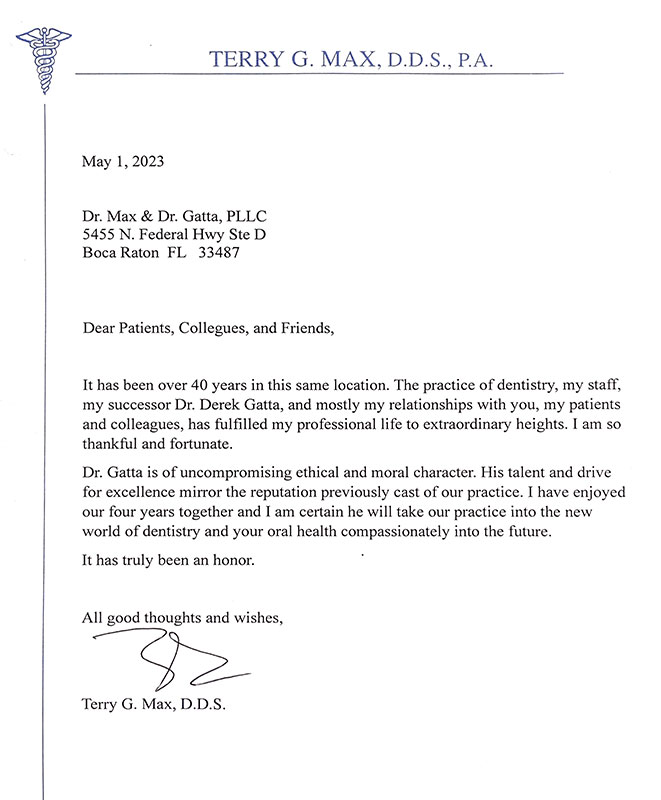
I have no private equity involvement, still 100% privately owned practice!



Copyright © 2026 Innovative Dental Aesthetics – All Rights Reserved. Privacy Policy.
Designed & Developed by DentalMAX Solutions
Copyright © 2026 Innovative Dental Aesthetics – All Rights Reserved. Privacy Policy. Designed & Developed by DentalMAX Solutions