Dental Implants vs. Dentures
Cosmetic Dentistry Service in Boca Raton
At Innovative Dental Aesthetics, every treatment begins with listening.
Dr. Derek Gatta believes exceptional dentistry starts with understanding your concerns, goals, and overall oral health—not rushing you toward a procedure. During your consultation, he performs a comprehensive evaluation and carefully explains all available treatment options, helping you understand the benefits and considerations of each. As a Board-Certified Prosthodontist specializing in complex smile rehabilitation, Dr. Gatta develops personalized treatment plans that prioritize long-term function, natural aesthetics, and lasting oral health, so you can move forward with confidence in your decision
Key Differences Between Dental Implants and Dentures
| Factor | Dental Implants | Dentures |
|---|---|---|
| How they work | Titanium posts are surgically placed in the jawbone, topped with a crown/bridge | Removable appliance resting on the gums |
| Bone preservation | Stimulates and preserves the jawbone | Does not prevent bone loss; bone may shrink over time |
| Stability | Fixed in place, functions like a natural tooth | Can shift or loosen, especially over time |
| Daily care | Brush and floss like natural teeth | Remove nightly for cleaning and soaking |
| Typical lifespan | 20+ years with proper care, often a lifetime | 5–10 years before relining or replacement |
| Upfront cost | Higher initial investment | Lower initial investment |
Dental Implants
Advantages:
Most natural look, feel, and bite force; preserves jawbone; no slipping
or special adhesives; no impact on neighboring teeth (unlike bridges
Disadvantages:
Higher upfront cost; requires a surgical procedure; treatment
timeline can take several months, especially with bone grafting
Dentures
Advantages:
Most natural look, feel, and bite force; preserves jawbone; no slipping
or special adhesives; no impact on neighboring teeth (unlike bridges
Disadvantages:
Higher upfront cost; requires a surgical procedure; treatment
timeline can take several months, especially with bone grafting
Longevity and Functionality
Dental implants are designed to integrate with the jawbone (a process called osseointegration), creating a foundation that functions much like a natural tooth root. This allows for stronger bite force and long-term durability. Dentures, while effective for restoring appearance and basic function, rest on the gum tissue and jawbone, which continues to change shape over time — often requiring relines, adjustments, or eventual replacement.
Cost Considerations
Dentures generally cost less upfront, making them an accessible option for patients replacing multiple or all teeth. Dental implants require a greater initial investment but often prove more cost-effective over a lifetime, since they typically don’t need the recurring relines, adjustments, or replacements that dentures do. Implant-supported dentures (a hybrid option using a small number of implants to anchor a denture) can offer a middle-ground solution in both cost and stability.
Which Patients Benefit Most From Each Option?

Dental implants
are often ideal for patients with adequate jawbone density, good overall health, and a desire for a permanent, natural-feeling solution — whether for a single tooth or a full arch.
Dentures
may be a better fit for patients seeking a lower-cost, non-surgical option, or for those with significant bone loss who aren’t candidates for implants without additional grafting.
Implant-supported dentures
often suit patients who want more stability than traditional dentures provide without the cost of a full implant for every tooth.
Why Choosing an Experienced Restorative Dentist Matters
Full-mouth rehabilitation involves more moving parts than almost any other area of dentistry — bite mechanics, implant placement, material selection, and aesthetics all have to work together. Dr. Derek Gatta, DMD, is a Board-Certified Prosthodontist — the dental specialty trained specifically in complex restorative and cosmetic reconstruction — with over 40 years of combined experience and access to elite dental laboratories for premium results. He plans treatment with the end result in mind from day one, using digital tools like Smile Cloud Biometrics to preview your new smile before treatment begins, reducing the risk of redoing work and ensuring the final bite feels natural, not just looks good.

Frequently Asked Questions
Treatment timelines vary widely depending on the complexity of the case — from a few months for limited restorative work to a year or more for cases involving extensive implant placement and bone grafting.
Full mouth rehabilitation is performed with your comfort in mind. Your dentist will use appropriate anesthesia and pain management techniques to help ensure a comfortable experience throughout treatment.
Insurance coverage varies depending on your individual plan and the procedures included in your treatment. Our team can help you understand your benefits and available payment options.
A smile makeover primarily focuses on improving the appearance of your smile, while full mouth rehabilitation addresses both the function and health of your teeth, gums, bite, and overall oral structure.
Depending on the cause, full mouth rehabilitation may help improve bite alignment and reduce certain types of jaw discomfort. Your dentist will evaluate your individual condition before recommending treatment.
No. Full mouth rehabilitation may be appropriate for patients with severely damaged, worn, decayed, or otherwise compromised teeth, even if they are not missing teeth.
Your Trusted Partner For Dental Health

Map data ©2026

Contact Us
We would love to hear from you!
Please use the form below to contact us if you would like to make an appointment, have questions, or just want to say hello.
Call Us
Book an Appointment


Subscribe now
Receive the latest updates and exclusive specials, all dedicated to ensuring the health and beauty of your smile.

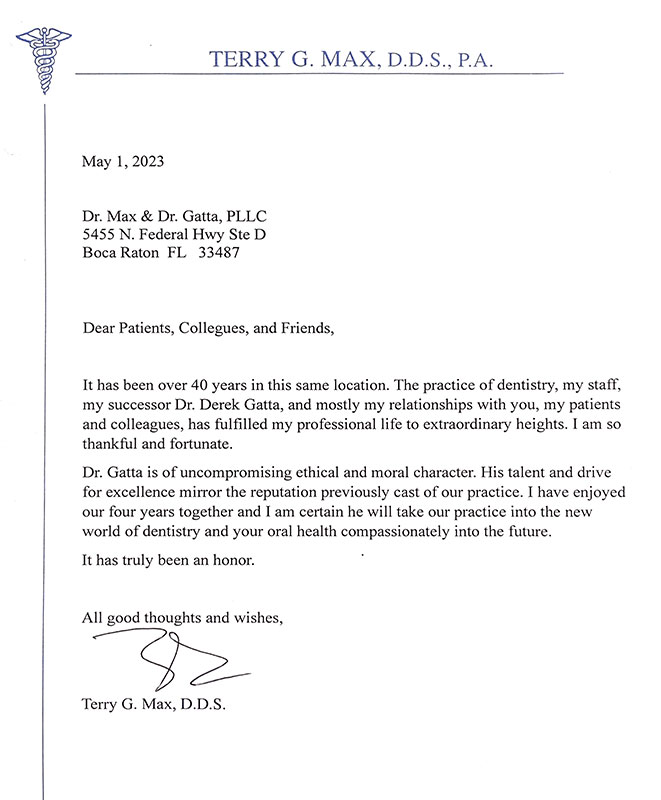
I have no private equity involvement, still 100% privately owned practice!



Copyright © 2026 Innovative Dental Aesthetics – All Rights Reserved. Privacy Policy.
Designed & Developed by DentalMAX Solutions
Copyright © 2026 Innovative Dental Aesthetics – All Rights Reserved. Privacy Policy. Designed & Developed by DentalMAX Solutions