Dental fear is far more common than most people realize. A 2025 national study published in the Journal of the American Dental Association found that nearly 73% of U.S. adults feel some level of dental fear, with about 1 in 4 describing that fear as severe. If you’ve been putting off a checkup because of anxiety, you are not alone, and you are not without options.
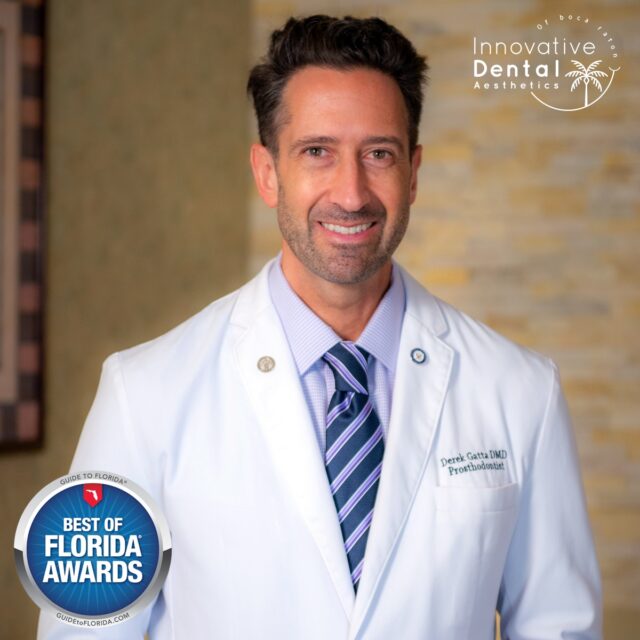
At Innovative Dental Aesthetics of Boca Raton, Dr. Gatta and his team understand how real this fear can be. They take the time to listen, explain every step, and build a plan that helps you feel calm and in control from the moment you walk in. Whether you’re due for a routine cleaning or considering a smile makeover, our goal is to make every visit comfortable.
Just How Common Is Dental Anxiety?
Dental fear isn’t a small or unusual problem. Recent research paints a clear picture:
- Nearly 3 in 4 U.S. adults report some degree of dental fear, according to a 2025 NYU College of Dentistry study.
- Roughly 1 in 5 adults avoid the dentist altogether because of anxiety.
- Between 5% and 10% of people experience a fear intense enough to be classified as dental phobia.
If any of this sounds familiar, know that dentistry has changed a great deal, and so have the tools available to help you feel comfortable.
Anxiety vs. Dental Phobia: What’s the Difference?
Dental anxiety is a general sense of nervousness or unease before or during a visit. Most people feel it to some degree, and it’s very manageable with the right approach.
Dental phobia is more intense. People with true dental phobia often know their fear is irrational but still feel unable to control it. They tend to avoid the dentist entirely, sometimes for years, only seeking care when pain becomes unbearable.
Common signs of dental phobia include:
- Difficulty sleeping the night before an appointment
- Growing nervousness while sitting in the waiting room
- Crying or feeling physically unwell at the thought of a visit
- A sense of panic or trouble breathing when something is placed in your mouth
If your fear feels this overwhelming, it’s worth mentioning to your dental team. In some cases, working alongside a mental health professional can help alongside your dental care.
What Causes Dental Fear?
Dental anxiety usually comes from a mix of past experience and simple human instinct. The most common causes include:
- Fear of pain. Often rooted in an early bad experience or stories from others. Thanks to modern techniques and better local anesthetics, most procedures today are far more comfortable than people expect.
- Fear of needles or that anesthesia won’t work. This is one of the most frequently reported fears, and it’s completely valid to bring it up with your dentist beforehand.
- Worry about side effects. Some patients dislike the numbness or worry about dizziness or nausea from sedation.
- Feeling a loss of control. Sitting back in a chair with your mouth open, unable to see what’s happening, can feel vulnerable for many people.
- Embarrassment. Concerns about the appearance of your teeth or personal space can also keep people from booking an appointment.
How Modern Dentistry Helps You Feel Comfortable
The biggest shift in recent years has been toward genuinely patient-centered care. A few ways practices, including ours, are helping anxious patients:
Open communication. Talking through your fears with your dentist ahead of time makes a real difference. Once your team understands what worries you, they can adjust their approach, explain each step as it happens, and go at your pace.
A simple stop signal. Agreeing on a hand signal to pause at any time gives you back a sense of control during treatment, a small change that eases a lot of anxiety.
Comfort-focused office design. Soft lighting, calming music, and comfortable seating all help lower stress before treatment even begins.
Distraction tools. Many modern practices now offer noise-canceling headphones or other simple distractions to help patients relax during longer procedures.
Sedation dentistry. For moderate to severe anxiety, sedation remains one of the most effective solutions:
- Nitrous oxide (laughing gas) offers light, fast-acting relaxation that wears off within minutes of your appointment.
- Oral sedation uses a prescribed pill before your visit for a deeper sense of calm.
- IV sedation provides a stronger level of relaxation, typically reserved for more involved procedures like dental implants or full mouth reconstruction.
Your dentist will review your health history and talk through which option, if any, makes sense for you.
Tips for Managing Dental Anxiety on Your Own
Alongside what your dental team can offer, a few habits can help you walk in feeling steadier:
- Book your appointment for a time you’re less rushed. Mornings work well for many people, before the day’s stress builds up.
- Bring headphones and a playlist to help drown out sounds that might trigger anxiety.
- Practice slow, steady breathing in the waiting room and during treatment.
- Ask questions ahead of time so there are no surprises once you’re in the chair.
- Consider bringing a friend or family member for support, if your practice allows it.
Staying consistent with care also helps break the cycle. Regular general dentistry visits mean smaller, simpler treatments instead of the bigger, more stressful procedures that come from years of avoidance.

You Deserve a Comfortable, Judgment-Free Visit
If dental fear has kept you from the care you need, this is a good time to make a change. Dr. Gatta and the team at Innovative Dental Aesthetics of Boca Raton are known for their patience and genuine care. From your first phone call to your last checkup, the goal is simple: to help you feel heard, comfortable, and confident about your smile whether that means a routine cleaning, cosmetic dentistry, or restorative dentistry.
Ready to take the first step? Call our Boca Raton office today at (561) 997-6622, or explore what your dream smile could look like. Follow us on Instagram for daily oral health tips.